
Thoughtful choices with staying power
Before you paint your house, ask these five questions.
Exterior paint is more than a cosmetic update. The best color respects the house, its setting, and what you want the home to do next.
A fresh coat of paint can completely change the way a home feels. It's one of the few projects that can dramatically improve curb appeal without a major renovation. But it's also one of the easiest places to get swept up in whatever happens to be trending online.
Over the years, I've walked through many homes with buyers. Some have been beautifully updated. Others haven't been touched in decades. One thing I've learned is that the homes people remember aren't necessarily the ones that followed every design trend—they're the ones where every choice felt intentional.
If you're thinking about painting your home's exterior, here are five questions I'd ask before you buy the first gallon.
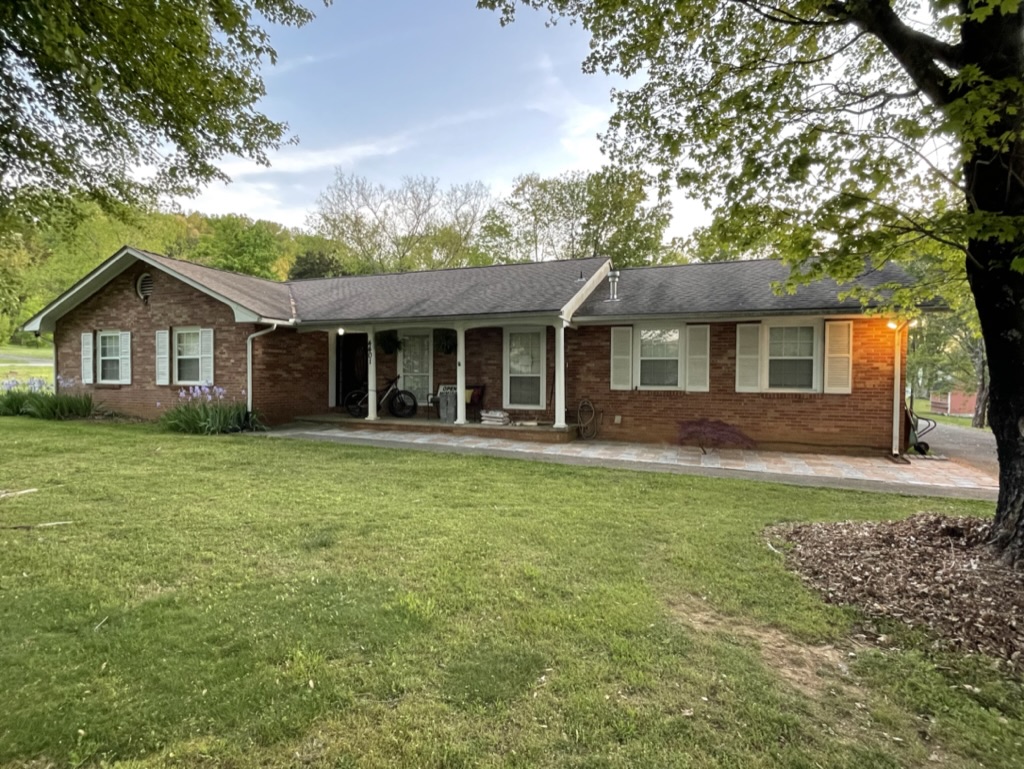
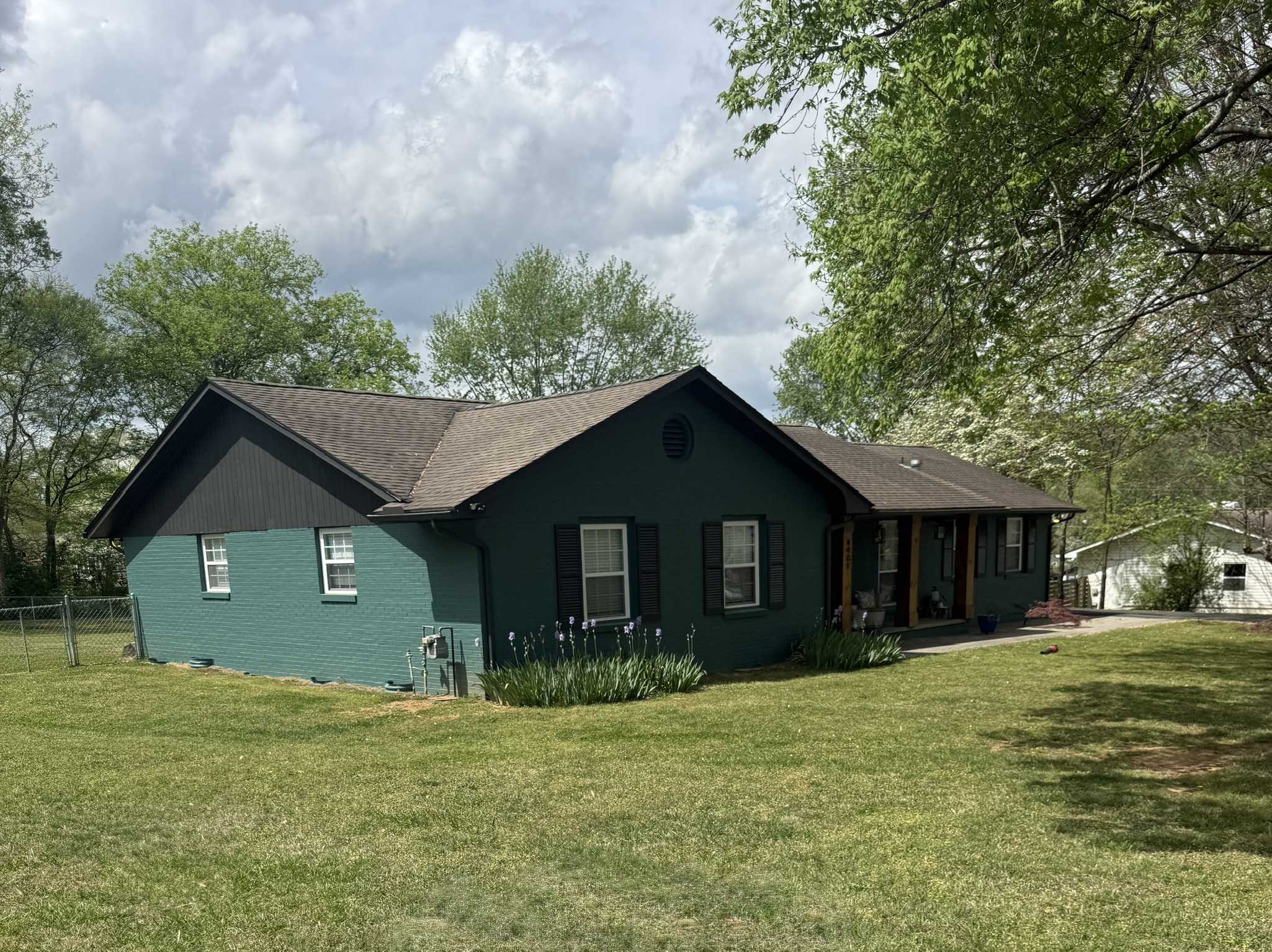
Does the color fit the house?
Not every color works on every style of home. A modern mountain home can carry a deep charcoal exterior beautifully. A traditional brick ranch from the 1960s might feel much more at home in a warm neutral. A Craftsman often comes alive with earthy colors that highlight its architectural details.
The goal isn't to copy what you saw on Pinterest. It's to choose a color that feels like it belongs there. When the architecture and paint color work together, the house feels timeless instead of trendy.
What am I painting for?
This may be the most important question on the list. If this is your forever home, paint it in a color that makes you smile every time you pull into the driveway. You live there, not future buyers.
But if there's a chance you'll be selling in the next few years, think a little differently. Paint becomes part of the home's first impression. You don't have to play it safe; you simply want to avoid making your home memorable for the wrong reason.
Does it work with everything that isn't changing?
Paint is relatively easy to change. Roofs, brick, stone, and hardscaping are not. Before you settle on a color, step back and look at the permanent features of your home. Is the roof warm or cool? Is the brick more red, brown, or buff? How does the stone fit into the overall picture?
One of the biggest mistakes I see is choosing a paint color in isolation. It may look beautiful on a sample card but completely miss the mark beside the roof or brick that isn't going anywhere.
How will it look in the neighborhood?
I'm not suggesting every house should look the same. Character is part of what makes a neighborhood feel established and inviting. But it's worth paying attention to the homes around you.
Here in East Tennessee, we have everything from classic brick ranchers and Craftsman homes to newer farmhouses tucked into wooded lots. Mature trees, rolling hills, and natural stone create a backdrop that is very different from Arizona or coastal Florida. The homes that stand out in the best way usually complement their surroundings instead of competing with them.
Will I still like this ten years from now?
Trends are fun. They push design forward and introduce us to ideas we may not have considered. But trends also change.
When I'm helping clients prepare a home for the market, I almost always lean toward choices that have staying power. That's true for paint, flooring, lighting, and even landscaping. Timeless doesn't mean boring. It means making choices that still feel right long after the latest trend has faded.
Katie's take
Make the choice that belongs to the home.
One of the things I enjoy most about real estate is seeing how differently people make a house their own. Every home has a story, and thoughtful design helps tell it.
Whether you're planning to stay for another twenty years or thinking about selling in the near future, exterior paint quietly shapes how people experience your home before they ever step inside.
Choose a color because it fits your home, your surroundings, and your goals—not simply because it's the color everyone else is using this year. Those decisions tend to age well, and in real estate, that's almost always a good investment.